Gene Therapy – Is a Cure for HCM Around the Corner?

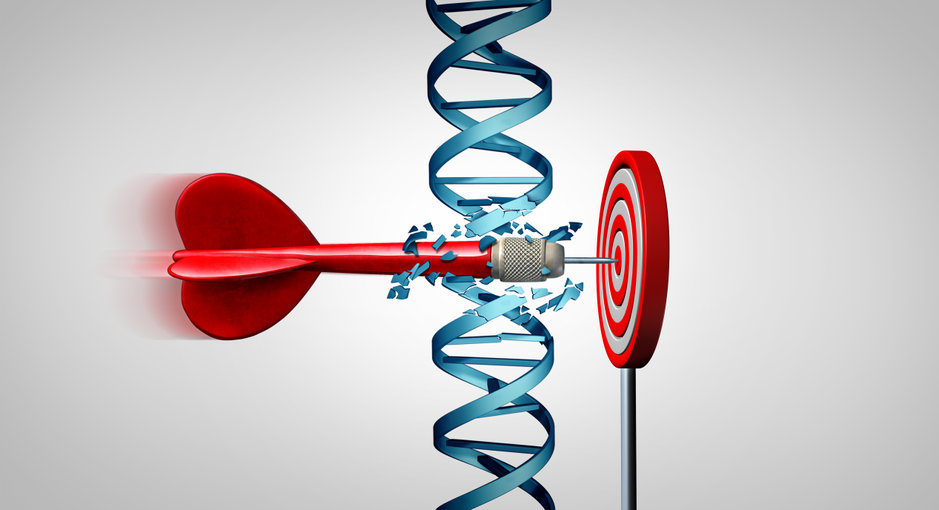
Two different papers published in the newest issue of Nature focus on experimental gene therapies to potentially repair the genes that cause hypertrophic cardiomyopathy.  This research even caught the eye of Dr. Eric Topol, a prominent cardiologist at the Scripps Institute whose focus on genetics and digital technologies aims to change the future of medicine.

Researchers in the first study were able to correct pathogenic HCM mutations in an MYH7 gene. This was done both in cardiomyocytes (the cardiac cells which cause the heart to contract) derived from human pluripotent stem cells, as well as in mice with human-like HCM mutations.

The second study used two different genetic therapies to prevent HCM caused by the R403Q mutation in more than 70% of cardiomyocytes carrying the mutation.

The researchers hope that these findings will soon allow scientists to treat patients who carry an HCM gene BEFORE the disease actually develops, thereby interrupting the cycle and preventing the disease

It would be very exciting to see a clinical trial testing this technology. These therapies show great promise for our children and grandchildren.

Echocardiogram of the Future: Size of a Stamp!

Researchers at UC San Diego have developed a small, wearable ultrasound which uses artificial intelligence (AI) to assess the structure and function of the human heart for up to a 24 hour period.  And most exciting of all, it is only the size of a postage stamp!

Due to its small size and the lack of bulky equipment, the device can be used at home and during vigorous exercise. This capability will allow for the collection of real life data and will simplify testing for patients.

Read the full paper published in Nature here and a short article in Cardiovascular Business here.

Septal Reduction – Not a One Size Fits All

A recent article published in the European Journal of Cardiology Heart Failure compares septal myectomy to septal alcohol ablation. The paper goes through specific factors which make one procedure or the other more appropriate: individual anatomy and age being two .of the most important.

The article emphasizes that proper patient selection for either procedure is key.  Further, it emphasizes the necessity of having both procedures done at at high volume center in order to increase the odds of a successful procedure.

Seniors Do Well After Myectomy

A recent study of Medicare patients conducted by doctors at the Cleveland Clinic found that senior citizens who underwent septal myectomy had better long term survival and did not need repeat procedures compared to those who underwent septal alcohol ablation.

And, despite the overwhelming evidence that septal reduction procedures performed at high volume centers have superior outcomes, 70% of septal reduction procedures are still being performed at low volume centers.

We need to spread the word that the success of septal reduction procedures is highly dependent on the experience and volume of the center!

Lisa Marie Presley Dies of Cardiac Arrest at Age 54

Very sad update to the news about Lisa Marie Presley. RIP. This family has had far too much grief.

hcmbeat's avatarHCM Beat

All major news outlets reporting that Lisa Marie Presley has died this afternoon after suffering cardiac arrest at her home this morning.  She was resuscitated at home, and then transported to a local hospital where she passed away.

It has previously been reported that Elvis himself carried a HCM causing gene.   Elvis’ genetic analysis was featured in a program by U.K.’s Channel 4 Television in 2014.  Elvis’ mother also died before age 50 of a “heart attack.”

Sending deepest condolences to Priscilla Presley, daughters Riley Keough, Harper Lockwood and Finley Lockwood.

View original post

Lisa Marie Presley Dies of Cardiac Arrest at Age 54

All major news outlets reporting that Lisa Marie Presley has died this afternoon after suffering cardiac arrest at her home this morning.  She was resuscitated at home, and then transported to a local hospital where she passed away.

It has previously been reported that Elvis himself carried a HCM causing gene.   Elvis’ genetic analysis was featured in a program by U.K.’s Channel 4 Television in 2014.  Elvis’ mother also died before age 50 of a “heart attack.”

Sending deepest condolences to Priscilla Presley, daughters Riley Keough, Harper Lockwood and Finley Lockwood.

Tenaya Therapeutics Gets Go-Ahead for HCM Gene Therapy Trial

Tenaya Therapeutics announced on Monday that they have received FDA clearance to begin a Phase 1 clinical trial of targeted gene therapy for HCM.

Tenaya is developing TN-201, a first in class adeno-associated virus based therapy being developed to treat HCM caused by mutation(s) in the MYBPC3 gene. They anticipate that the trial will begin in the third quarter of 2023. The therapy delivers one fully functional MYBPC3 gene to the patient via injection with a deactivated virus. Tenaya hopes that this therapy will restore normal levels of the MYBPC3 protein, thereby halting disease progression, and even potentially reversing the course of the disease, after just a single treatment.

The TN-201 Phase 1b clinical trial will be a multi-center, open-label study designed to assess the safety of an intravenous infusion of TN-201. They hope to enroll at least 6 symptomatic, non-obstructive HCM patients who carry the MYBPC3 gene and who already have received an automatic implantable cardioverter defibrillator (ICD) as part of their treatment plan to date.

You can read the full  press release here.

Stay tuned to HCMBeat for updates!

Damar Hamlin’s Cardiac Arrest Should Move America to Action

Sudden cardiac arrest (SCA) has had a moment in the public eye this week.  The NFL game between the Cincinnati Bengals and Buffalo Bills, which was postponed after Bills safety Damar Hamlin suffered a cardiac arrest and collapsed on the field, was, according to CNN, the most-watched “Monday Night Football” telecast in ESPN history, averaging 23.8 million viewers.  

Damar Hamlin’s misfortune shined a public light on the grim reality that we as HCM patients live with every day:  the possibility we could suffer SCA at any moment without warning.

HCMBeat has written before about fellow HCM patient Lindsay Davis, who uses her platform as a former Miss Ohio to effect positive change for those with heart issues.

Lindsay pic 2022

In fact, Lindsay successfully lobbied for what is now known as “Lindsay’s Law,” which educates coaches, parents and athletes on the signs and symptoms of an underlying heart condition and removes a child with symptoms of heart disease from play until cleared by a cardiologist.

Now Lindsay has taken the opportunity to write a compelling op-ed for Newsweek about the need for cardiopulmonary resuscitation (CPR) and automatic external defibrillator (AED) training in the community. As Lindsay correctly points out, Damar Hamlin suffered a cardiac arrest in a NFL stadium surrounded by trainers, medical personnel and the most up to date equipment.  Children who play sports do not have the same  advantages. If a similar situation occurred on a school baseball diamond or a playground basketball court, it is likely that the bystanders would not be so prepared to render aid.

Some of you may know that I have been a lifelong fan of the New Orleans Saints football team. Gayle Benson, the owner of the Saints and the Pelicans, the local NBA team, did something that I hope will serve to inspire other professional teams to do for their communities. Mrs. Benson reached out and, finding there was a need, donated a total of 67 AEDs to the New Orleans Recreation Department (NORD) and the neighboring Jefferson Parish Recreation Department (JPRD).  Mrs. Benson will also provide CPR and AED training to NORD and JPRD personnel so they know what to do in the event of a cardiac arrest at their facilities.

Time is key when a person suffers a cardiac arrest.  According to the American Heart Association (AHA), 350,000 cases of cardiac arrest occur each year outside of a hospital, and the survival rate is less than 12 percent. CPR can double or triple the chances of survival.

A 2018 study highlighted on the AHA website shows the great benefit of being resuscitated by an AED following a cardiac arrest.  Read the following statistics:

  • Cardiac arrest victims who received a shock from a publicly-available AED had far greater chances of survival and being discharged from the hospital than those who did not; 66.5 percent versus 43 percent.
  • Cardiac arrest victims who received a shock from a bystander using a publicly-available AED had 2.62 times higher odds of survival to hospital discharge and 2.73 times better outcomes compared to victims who received their first  AED shock from emergency responders.
  • Victims who received an AED shock from a bystander (57.1 percent) using a publicly-available device instead of having to wait for emergency responders (32.7 percent) had near normal function and better outcomes.
  • Without a bystander using AED shock therapy, 70 percent of cardiac arrest patients either died or survived with impaired brain function (emphasis added).

More information about the chain of survival can be found on the American Heart Association website.

If you are looking for a New Year’s Resolution (or even if you aren’t!) take the time to learn CPR and learn how to use an AED today.  AEDs are so simple to use that even a 5th grader can administer properly.

And here is short video from Mayo Clinic showing how to do hands-only CPR.

And if you are a heart patient, think about getting an AED for your home.  I myself have one in my dining room.

AED dining room

Finally, I am sending out my best personal wishes to Damar Hamlin for a complete recovery. (As of this writing, he appears to be well on his way.)  

Most of all, I am sending out my sincere hope that this disturbing incident will improve the chances that the next person who suffers cardiac arrest will be lucky enough to be in the right place at the right time for complete resuscitation.

Wishing the entire HCM community a happy, and most of all a healthy, New Year. 

Cynthia Burstein Waldman  © 2023

All views expressed herein are my own.

Results Published from REDWOOD-HCM Phase 2 Trial

Results from Cytokinetics’ REDWOOD-HCM Phase 2 clinical trial of the experimental drug aficamten were just published in the Journal of the American College of Cardiology

Aficamten, a second generation myosin inhibitor, was administered to a small group of 28 patients as part of a phase 2 trial to determine safety of the drug of the drug in obstructive HCM over a 10 week period. 

No safety issues were found, while most trial participants experienced substantial reductions in left ventricular outflow tract gradients. Study participants also reported improvement to their symptoms, while blood tests showed improvement to certain biomarkers of heart stress.   

You can read more about the drug aficamten and Cytokinetics, the company behind it, in the below posts on HCMBeat. Next for aficamten is the Phase 3 trial entitled SEQUOIA-HCM.

Promising Data about Aficamten Presented at Meetings

2 Companies Testing Drugs for HCM

HCM Clinical Trials – the Latest News

The Future of HCM Care

Positive Signs from REDWOOD-HCM

Cytokinetic’s Drug Aficamten & Upcoming HCM Summit – Interview with Dr. Martin Maron

Aficamten Gets “Breakthrough Drug” Status from FDA

More on Aficamten & Mavacamten from ACC 2022

Cytokinetics Announces its Phase 2 Clinical Trial – “Redwood-HCM”

Cytokinetics Moves Forward with HCM Drug Trial

Cytokinetics Announces Positive Results from REDWOOD-HCM Phase 2 Clinical Trial

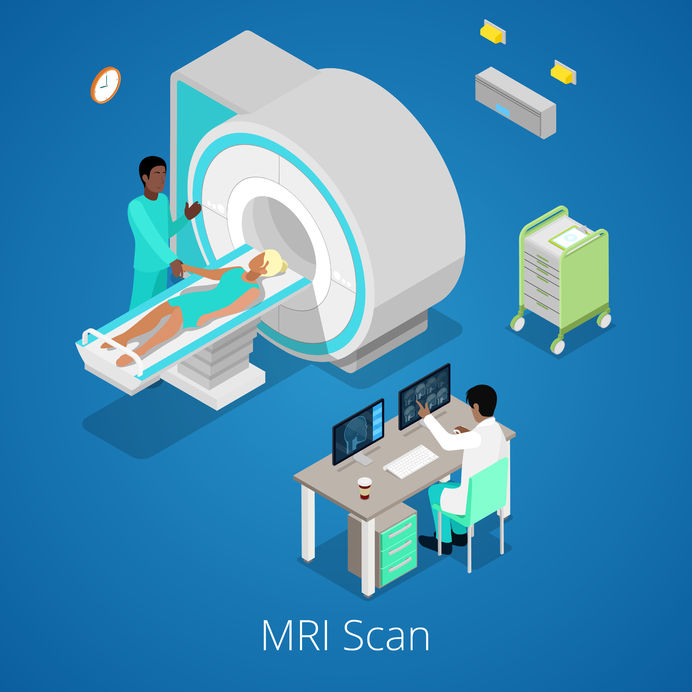
LGE Seen on MRI Top Risk Factor for HCM

To date, risk assessment in patients with hypertrophic cardiomyopathy (HCM) has largely focused on whether there is a need for an implantable defibrillator by evaluating an individual patient’s short term risk of sudden death, but has not looked at the long term risks of heart failure and other adverse outcomes over time.

A recent retrospective study by European HCM specialists asked the question of whether the addition of advanced imaging could assist in pinpointing patients at high risk of heart failure and/or other serious HCM complications over time. 

Continue reading “LGE Seen on MRI Top Risk Factor for HCM”