
According to a recent study by doctors in Australia and New Zealand, unexplained sudden cardiac deaths in children and adolescents can often be explained through the use of genetic testing.

According to a recent study by doctors in Australia and New Zealand, unexplained sudden cardiac deaths in children and adolescents can often be explained through the use of genetic testing.
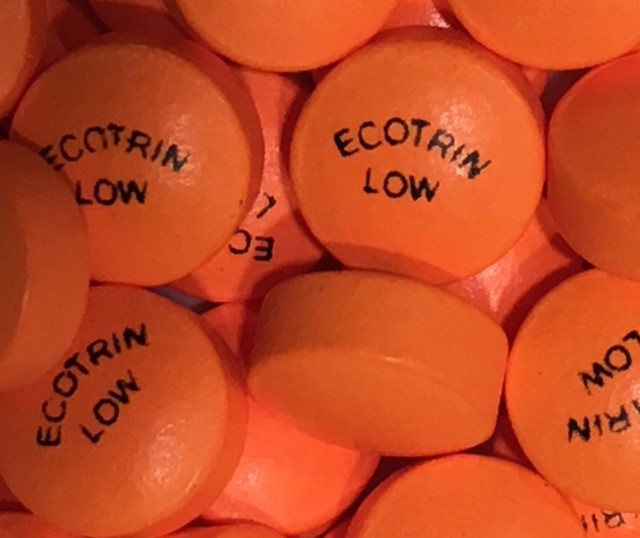
According to a recent study published June 20 in the Journal of the American College of Cardiology, more than 1/3 of patients in atrial fibrillation are not receiving sufficient anti-coagulation. Many of these patients are receiving only aspirin instead of a more effective blood thinner like warfarin, or one of the newer anti-coagulant drugs like Pradaxa or Xarelto.


This story is fascinating. Dr. Andrew Morrow, a cardiac surgeon at the National Institute of Health from 1953 until his death in 1982, was a HCM patient himself. Dr. Morrow was the first surgeon to do myectomy surgery. According to the article, Dr. Morrow was diagnosed by his colleague, Eugene Braunwald, at approximately the same time he pioneered myectomy surgery.
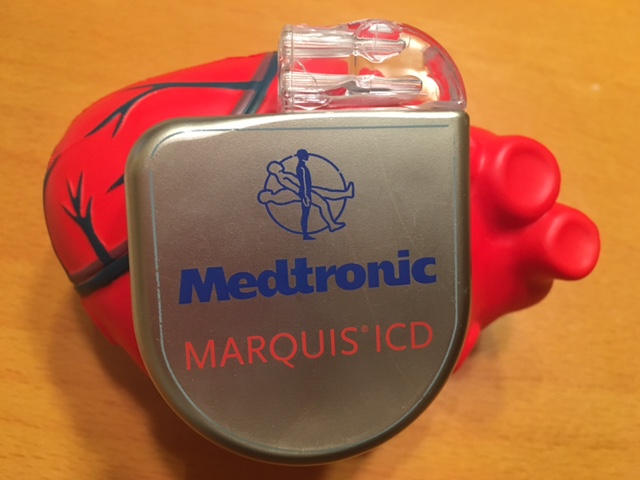
HCM experts in the U.K. have found that extreme left ventricular wall thickness does not automatically correlate with an increased risk of sudden death. Thus, results from a recent study published in the American Heart Association’s Circulation: Arrhythmia and Electrophysiology, suggest that extreme hypertrophy NOT be the sole factor justifying the implantation of an implantable defibrillator.

openclipart.org 6/25/16
In the April edition of the American Journal of Cardiology, Italian HCM experts published their findings which indicate that an individual patient’s HCM causing gene does not influence chances of developing atrial fibrillation and shouldn’t influence the management strategies for the condition.

Image by Ocal - http://www.clker.com/clipart-13766.html
Doctors from Cedars-Sinai Hospital Center for HCM and Aortopathies say that certain blood test results – specifically BNP and Troponin levels – are useful in evaluating HCM patients, particularly with respect to risk stratification and guidance of medical therapy.

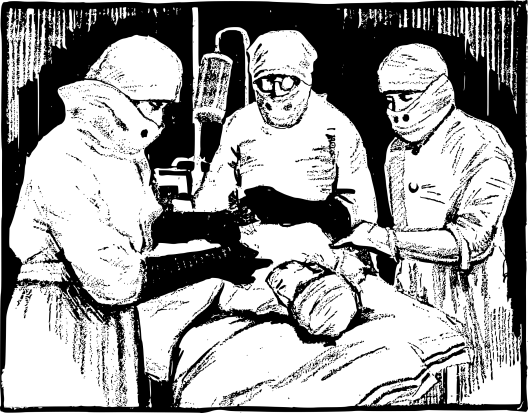
We have all suspected it to be the case, but now a published study proves it: outcomes of septal reductions done in high volume centers are better than those done in low volume centers. In this study, Dr. Luke Kim, et. al. did a quantitative analysis which showed that septal myectomies and septal alcohol ablation procedures which are performed in high volume centers come out better, while patients have fewer complications post procedure.
This editorial written by Drs. Steve Ommen and Rick Nishimura of Mayo Clinic’s HCM Center, citing the research of Kim, makes a very strong case that septal reduction procedures should be done ONLY in high volume centers.
 HCM Beat