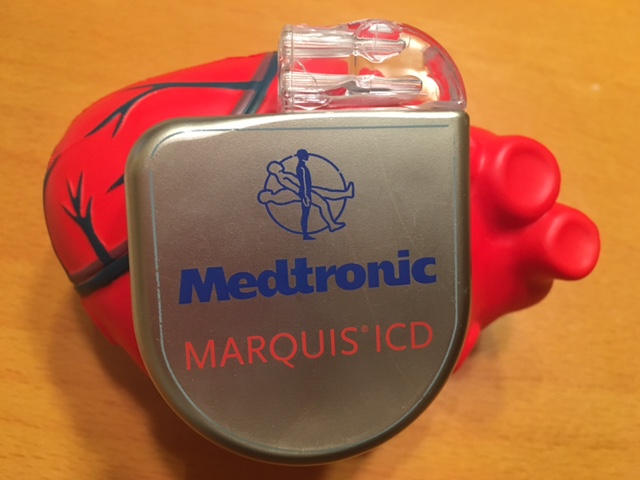
Sci-Fi or Reality? ICDs Using Light


Could your next implantable defibrillator use a light beam instead of electricity to restore a normal heart rhythm?  According to a recent study, this might just become reality some day.

A recent study published in the Journal of Clinical Investigation was able to use optogenetics — which involves embedding light-sensitive proteins in living tissue — to terminate ventricular arrhythmias in the hearts of mice.  Scientists at Johns Hopkins then created a computer simulation of the human heart to figure out if this technology could work on humans as well.

Check out this video for interviews with the researchers and further explanations of the study.  Though still highly experimental, this could be the technology of the future.

Stay tuned……

New Model for Predicting SCA?

8295557 - death and illness. red broken heart over grey background

Doctors at the University of Pennsylvania have created a new model which they say can predict the risk of sudden cardiac arrest in people without known heart disease.   According to the article, published recently in Circulation, low levels of albumin, a protein commonly tested in routine blood panels, is a novel risk factor among the twelve factors identified.  This article in Cardiac Rhythm News offers more details.

More ICD Complications for Women and African-Americans?

According to an article in the Wall Street Journal citing a recent study in the Annals of Internal Medicine, African-Americans with ICDs were 14% more likely to have complications than white patients with implantable defibrillators, and while women with ICDs were 16% more likely to have complications than men with implantable defibrillators.

The sex-based differences were attributed to the fact that women are generally diagnosed with heart disease later than men, and the fact the device testing process largely omits women, while the race-based differences were less clear, but may have resulted from diminished access to health care by African-American patients.


LV Wall Thickness Shouldn’t Alone Justify ICD 

HCM experts in the U.K. have found that extreme left ventricular wall thickness does not automatically correlate with an increased risk of sudden death.  Thus, results from a recent study published in the American Heart Association’s Circulation:  Arrhythmia and Electrophysiology,  suggest that extreme hypertrophy NOT be the sole factor justifying the implantation of an implantable defibrillator.