
Car Shopping
Recently, I began shopping for a new car. The process is overwhelming! There are so many factors to consider when looking for a new vehicle: gas mileage, sedans vs. hatchbacks, SUVs…the list goes on and on. Electrics and hybrids are all the rage here in Southern California, but I wasn’t sure if they would be safe for me to drive because I have an implantable defibrillator which also functions as a pacemaker.
German Study: Safety of Popular European Electric Cars
Lucky for me, I didn’t have to wait too long for an answer to my question. According to a recent German study published in the Annals of Internal Medicine, people with implanted cardiac devices can safely drive the most common electric cars on the market today. This study measured the magnetic field strength in four electric cars with the largest market share in Europe: the BMW i3, Nissan Leaf, Tesla Model 85S, and the Volkswagen e-up! Though the study found that recent models of all of these cars were safe, the authors of this study did caution that future models could potentially cause interference with implantable cardiac devices, depending on their design.
For more on the recent German study, see these articles at Reuters, Medical Xpress.com and TechTimes.
2017 AHA Preliminary Data – Tesla
The findings from the German study added to preliminary data presented at a 2017 meeting of the American Heart Association.
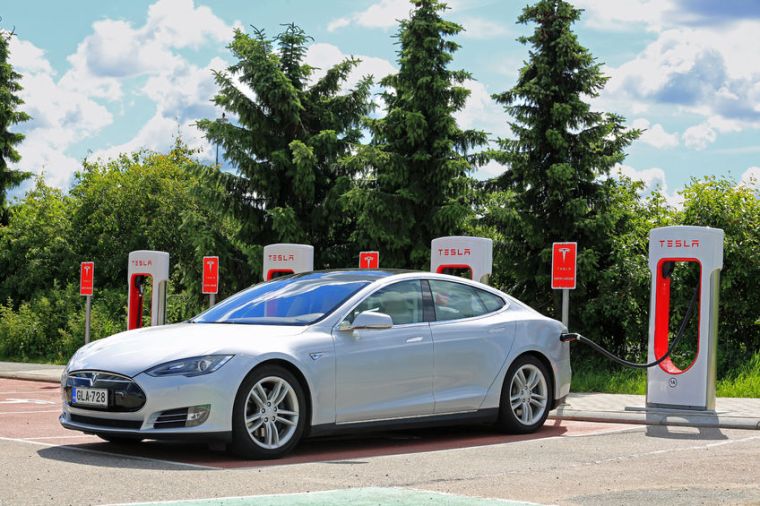
Participants’ devices were monitored for electromagnetic interference while they sat in or stood near a Tesla S P90D. Testing was done with the study participants situated in a variety of positions—sitting in the driver’s seat, passenger seat, backseat and standing next to the charging port.
2013 Mayo Clinic Study – Toyota Prius
 That early study found no issues when patients implanted with ICDs and/or pacemakers drove a 2012 Toyota Prius hybrid at 30 mph, 60 mph and at variable speeds of acceleration and deceleration, as well as sitting in the driver’s seat, the front passenger seat, the left and right rear seats and in front of and behind the car from the outside. Although the researchers found that the implantable devices were exposed to electromagnetic fields inside the car, the amount of interference wasn’t significant enough to cause problems with the devices.
For more on the 2013 Mayo study, see this article in Popular Science.
Now that I know that driving these cars is safe for me, I will be out on a test drive trying to narrow down my options!


 HCM Beat